
Bow & Stern Thruster Engineering for Superyachts & Commercial Vessels
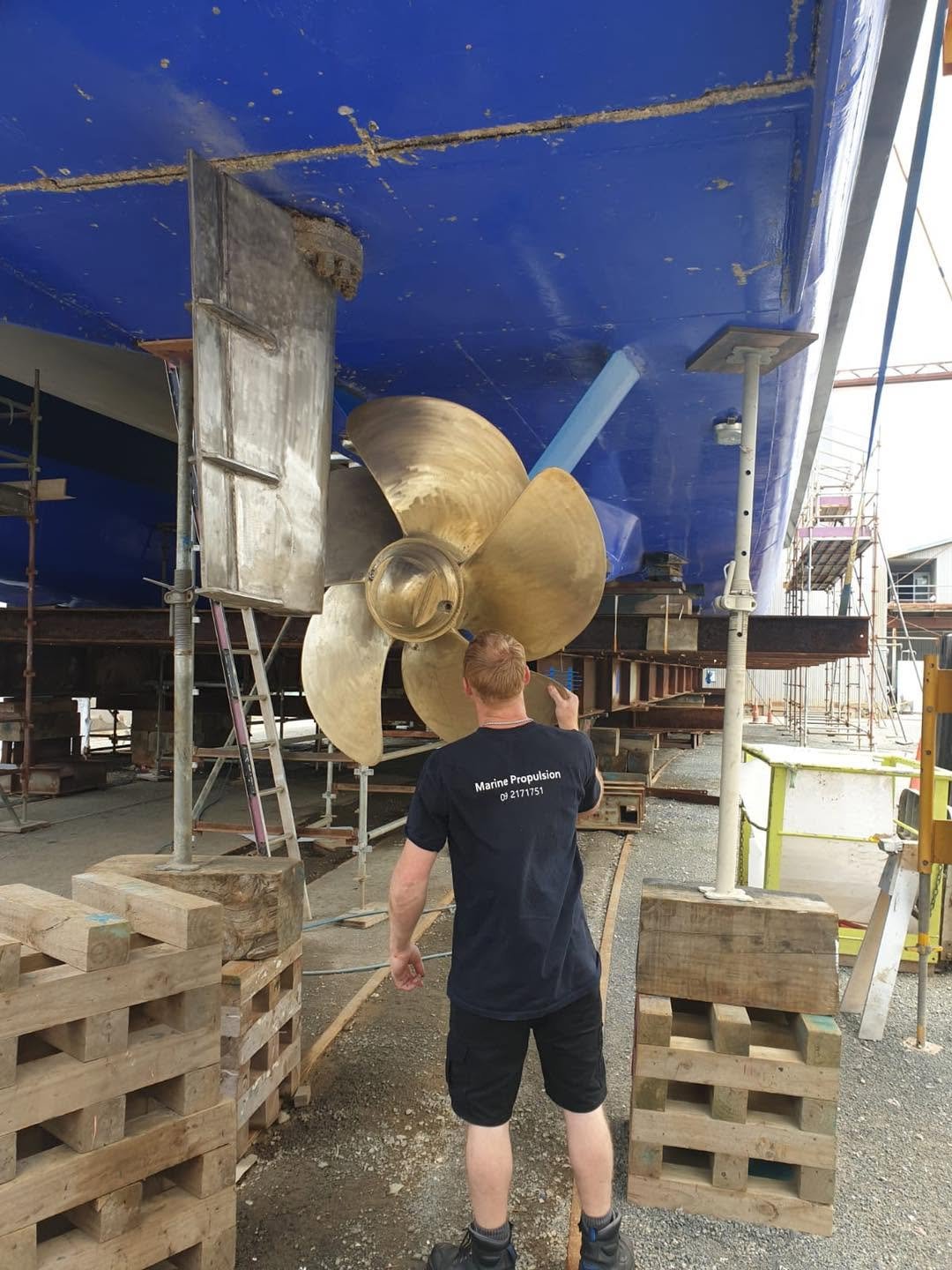
Marine Propulsion undertakes bow and stern thruster projects for superyachts and commercial vessels as part of scheduled refits, propulsion upgrades and planned maintenance programmes.
Engineering scope ranges from routine servicing through to complete overhauls, component replacement, reinstatement and commissioning. Projects are delivered as standalone engineering assignments or incorporated into larger refit programmes.
Engineering Scope
Bow and stern thruster capability includes:
Planned maintenance
Fault diagnosis
Complete overhauls
Thruster removal and reinstallation
Gearbox repairs
Bearing replacement
Seal replacement
Shaft repairs
Component inspection and measurement
System reassembly
Propulsion commissioning
Sea trial support
Engineering scope is tailored to the requirements of each vessel and project.
Overhaul & Reinstallation
Complete thruster overhauls frequently involve removal, inspection, component assessment, repair, reassembly and reinstatement as part of a larger engineering programme.
Marine Propulsion undertakes thruster projects requiring close coordination with other propulsion engineering activities, ensuring work is completed in line with the wider refit schedule.
Supporting Major Refit Programmes
Bow and stern thruster engineering is regularly incorporated into larger refit projects undertaken in New Zealand.
Engineering scope is developed alongside the vessel's overall maintenance programme, allowing components, specialist resources and workshop activities to be coordinated before work begins.
International project support is also available where specialist thruster engineering capability is required.
Common Project Questions
-
Yes. Engineering scope can include removal, inspection, component replacement, repairs, reassembly, commissioning and sea trials.
-
Yes. Bow and stern thruster engineering is regularly incorporated into scheduled refit programmes and coordinated alongside the wider engineering schedule.
-
Yes. Marine Propulsion is regularly engaged to deliver specialist propulsion engineering within larger refit and maintenance programmes, working alongside the vessel's existing project team.
-
Yes. Engineering support is available for scheduled maintenance programmes, fault diagnosis and reactive repair work where required.
-
Yes. Specialist thruster engineering support is provided throughout New Zealand and internationally.
Planning a Refit in New Zealand?
Bow and stern thruster projects are often planned well before a vessel arrives in New Zealand.
Early engagement allows engineering scope, component procurement and project scheduling to be coordinated before refit work begins.