
Precision Machining for Marine Propulsion Systems
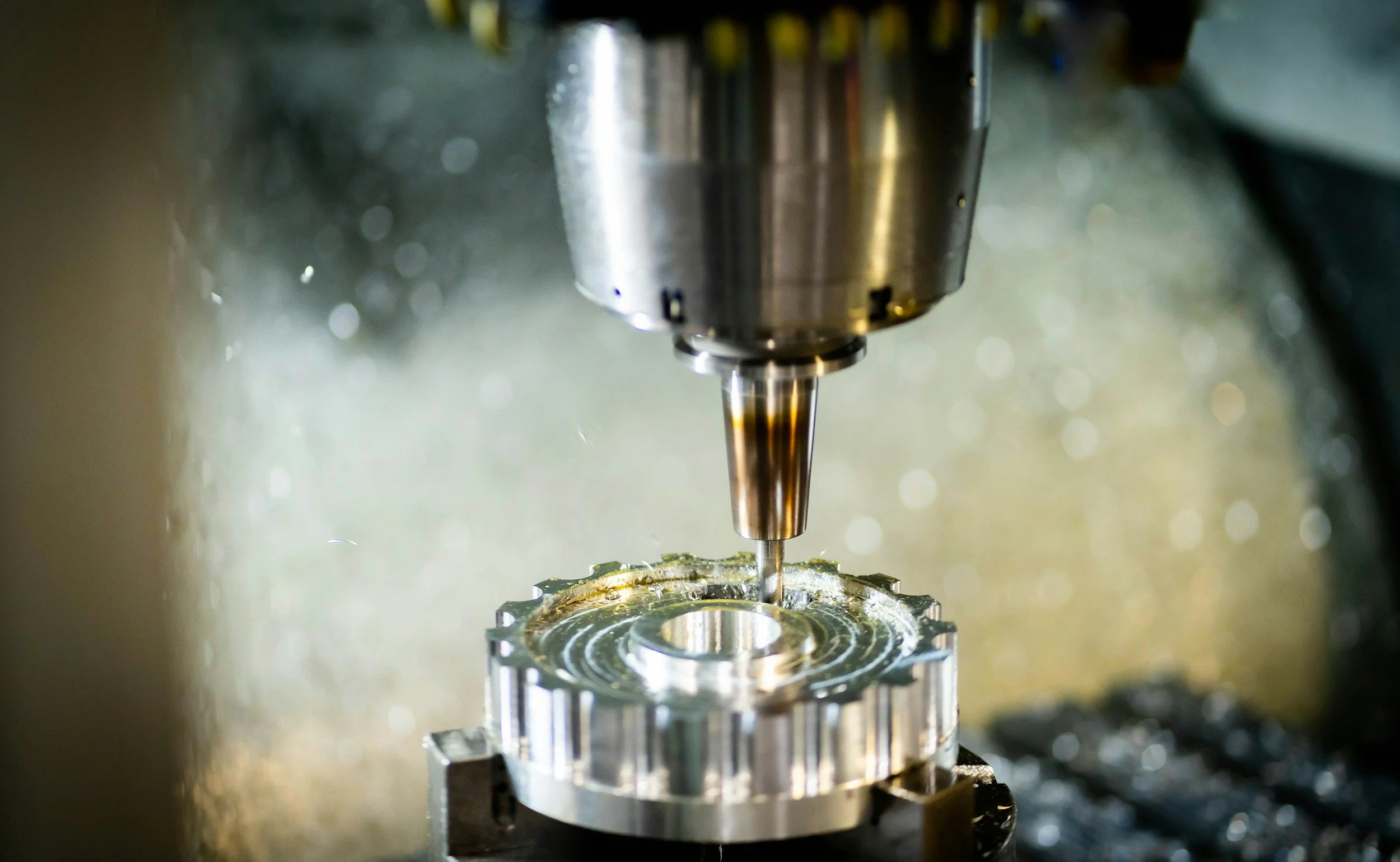
Custom machining forms an integral part of many propulsion engineering projects undertaken by Marine Propulsion.
Workshop capability supports the manufacture, repair and remanufacture of propulsion components where replacement parts are unavailable, obsolete or require modification to suit a specific application.
Machining work is undertaken in support of superyacht refits, commercial vessel maintenance programmes and specialist propulsion engineering projects.
Machining Capability
Engineering scope includes:
Shaft machining and repair
Bearing manufacture and machining
Bush manufacture
Sleeve manufacture
Coupling machining
Spacer manufacture
Component modification
Reverse engineering
Precision fitting
Repair of worn components
Manufacture of replacement parts
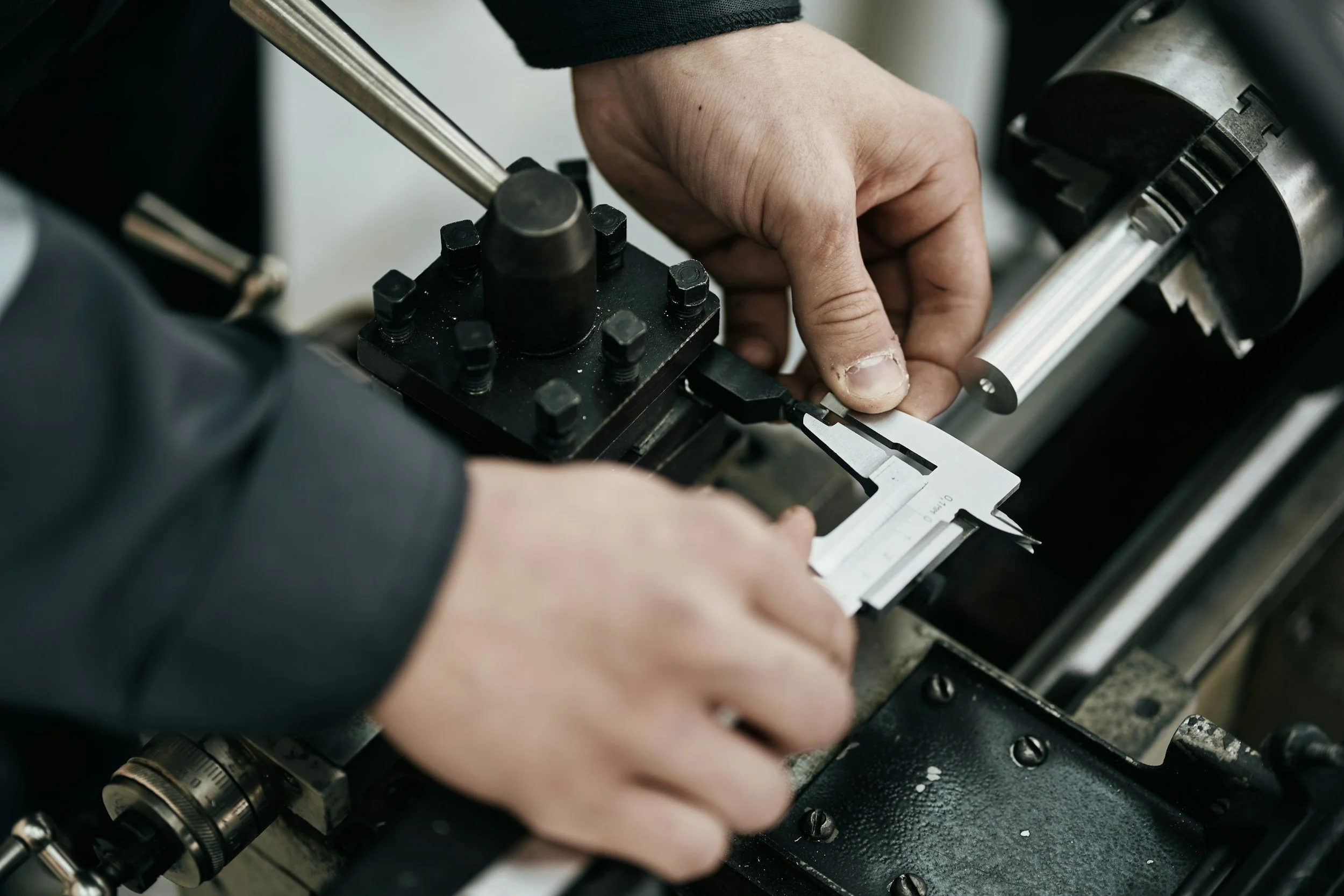
Supporting Propulsion Projects
Custom machining is regularly incorporated into propulsion upgrades, driveline replacement programmes, Variable Pitch Propeller overhauls, rudder and steering projects and thruster engineering.
In many cases, machining allows critical components to be repaired or remanufactured without delaying the wider engineering programme.
Engineering scope is determined as part of the overall project rather than as an isolated workshop task.
Repair Before Replacement
Replacement components are not always immediately available. Marine Propulsion regularly assesses existing components to determine whether repair, remanufacture or machining provides a practical engineering solution within the project scope. This approach is particularly valuable where lead times, obsolete components or custom-engineered parts influence project delivery.
Common Project Questions
-
Yes. Workshop capability includes the manufacture and machining of a wide range of propulsion components where replacement parts are unavailable or unsuitable.
-
Where practical, components are assessed for repair or remanufacture before replacement is recommended. Engineering decisions are based on condition, tolerances and project requirements.
-
Yes. Marine Propulsion regularly undertakes one-off machining projects to suit individual vessels and specific engineering requirements.
-
Yes. Custom machining is frequently incorporated into propulsion upgrades, driveline replacement programmes and major refits.
-
Yes. Machining capability supports both New Zealand-based refit programmes and international propulsion engineering projects where required.
Planning a Refit in New Zealand?
Custom machining is often identified during project planning or component inspection.
Early engagement allows machining requirements to be incorporated into the wider engineering programme before the vessel arrives.